
Abstract
- Background
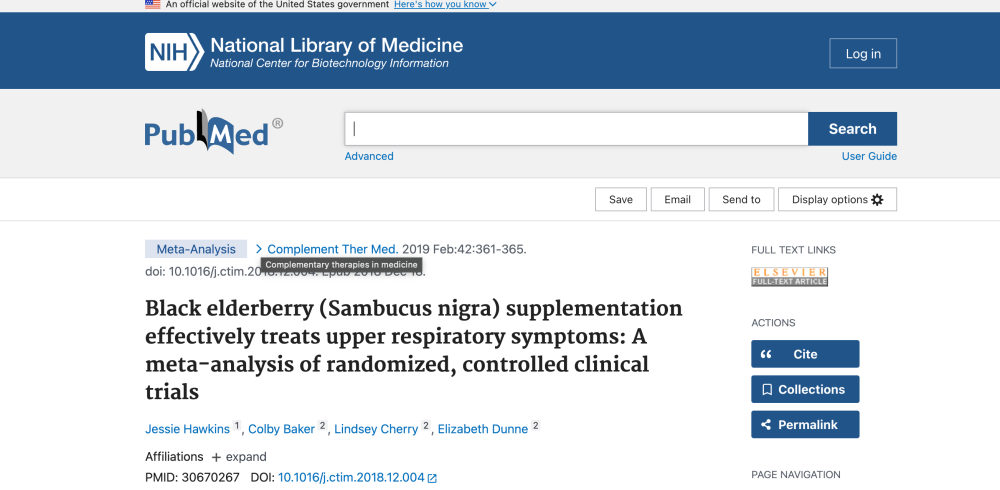
Upper respiratory symptoms—predominantly manifesting as the common cold, influenza, and acute viral rhinosinusitis—are conventionally managed using over-the-counter medications, symptom-relief drugs, broad-spectrum antibiotics, and antiviral prescriptions. However, escalating concerns regarding pharmacological safety, adverse side effects, therapeutic inefficacy in viral etiologies, and the global crisis of antimicrobial resistance have driven an urgent public health demand for safe, evidence-based alternative solutions. Black elderberry (Sambucus nigra) has a deeply established historical precedent in traditional herbal medicine for the alleviation of cold and influenza symptoms; however, prior literature lacked comprehensive large-scale clinical trials and robust meta-analytic evaluations. This meta-analysis was specifically designed to quantify the therapeutic effects of black elderberry supplementation on upper respiratory symptoms while rigorously evaluating key clinical moderators, including patient vaccination status and the underlying viral pathology.
- Methods
A comprehensive quantitative meta-analytic evaluation was conducted, encompassing clinical trials representing a total cohort of 180 human participants. The analytical framework systematically assessed the primary impact of elderberry supplementation on the resolution speed and severity of upper respiratory symptoms. Furthermore, advanced moderator analyses were executed to investigate the potential confounding or modulating influences of baseline vaccination status and the specific underlying pathogenic cause of the upper respiratory manifestations.
- Results
Quantitative synthesis of the clinical trial data revealed that dietary supplementation with black elderberry substantially reduces the severity and duration of upper respiratory symptoms. The overall meta-analytic pooling yielded a large mean effect size favoring the elderberry intervention over control groups. Moderator analyses exploring vaccination status and underlying pathology confirmed consistent therapeutic efficacy across diverse cohorts, highlighting elderberry's broad-spectrum capacity to ameliorate acute viral respiratory symptoms regardless of prior immunization status.
- Conclusions
Supplementation with black elderberry effectively reduces upper respiratory symptoms, demonstrating a large mean effect size. These clinical findings provide a robust, evidence-based alternative to the misuse of antibiotics for viral upper respiratory infections, while presenting a potentially safer, natural therapeutic alternative to prescription drugs for routine cases of the common cold and influenza.
https://pubmed.ncbi.nlm.nih.gov/30670267/